Short answer: pick Kling 3.0 when you want a cheap, short clip with native sound, or a planned sequence of shots in one render. Pick Seedance 2.0 when you need to steer the video with many references (up to 9 images, 3 videos and 3 audio clips), a wide or cinematic aspect ratio, or a long prompt. On AgentReel a 5-second 720p clip with sound costs 25 credits on Kling 3.0 (std) and 52 credits on Seedance 2.0.
Both models sit behind the same prompt box in AgentReel, and both run through the Kie.ai API. This comparison uses the parameters in the Kie API documentation and the prices AgentReel charges today. It does not use a benchmark score, because no neutral benchmark covers both models with the same prompts.
Seedance 2.0 vs Kling 3.0 at a glance
| Seedance 2.0 (ByteDance) | Kling 3.0 (Kuaishou) | |
|---|---|---|
| Duration in the API | 4 to 15 seconds, or -1 for auto | 3 to 15 seconds |
| Resolution in the API | 480p, 720p, 1080p, 4K (H.265) | std 720p, pro 1080p, 4K mode |
| Aspect ratios | 16:9, 9:16, 1:1, 4:3, 3:4, 21:9, adaptive | 16:9, 9:16, 1:1 |
| Native audio | Yes, on by default | Yes, optional (changes the price) |
| Image input | First frame, first + last frame | First frame, first + last frame |
| Multimodal references | Up to 9 images, 3 videos, 3 audio clips | Up to 3 elements (2 to 4 images, 1 video or 1 audio each) |
| Multi-shot in one task | No | Yes, each shot 1 to 12 seconds |
| Prompt length | Up to 20,000 characters | Up to 2,500 characters (500 per shot) |
| AgentReel price, 5 s 720p with sound | 52 credits | 25 credits (std) |
| AgentReel price, 5 s 1080p with sound | 128 credits | 34 credits (pro) |
Prices are AgentReel credits on October 20, 2026. Current prices always show on the Generate button before a job starts. See pricing for credit packs.
What Seedance 2.0 does best

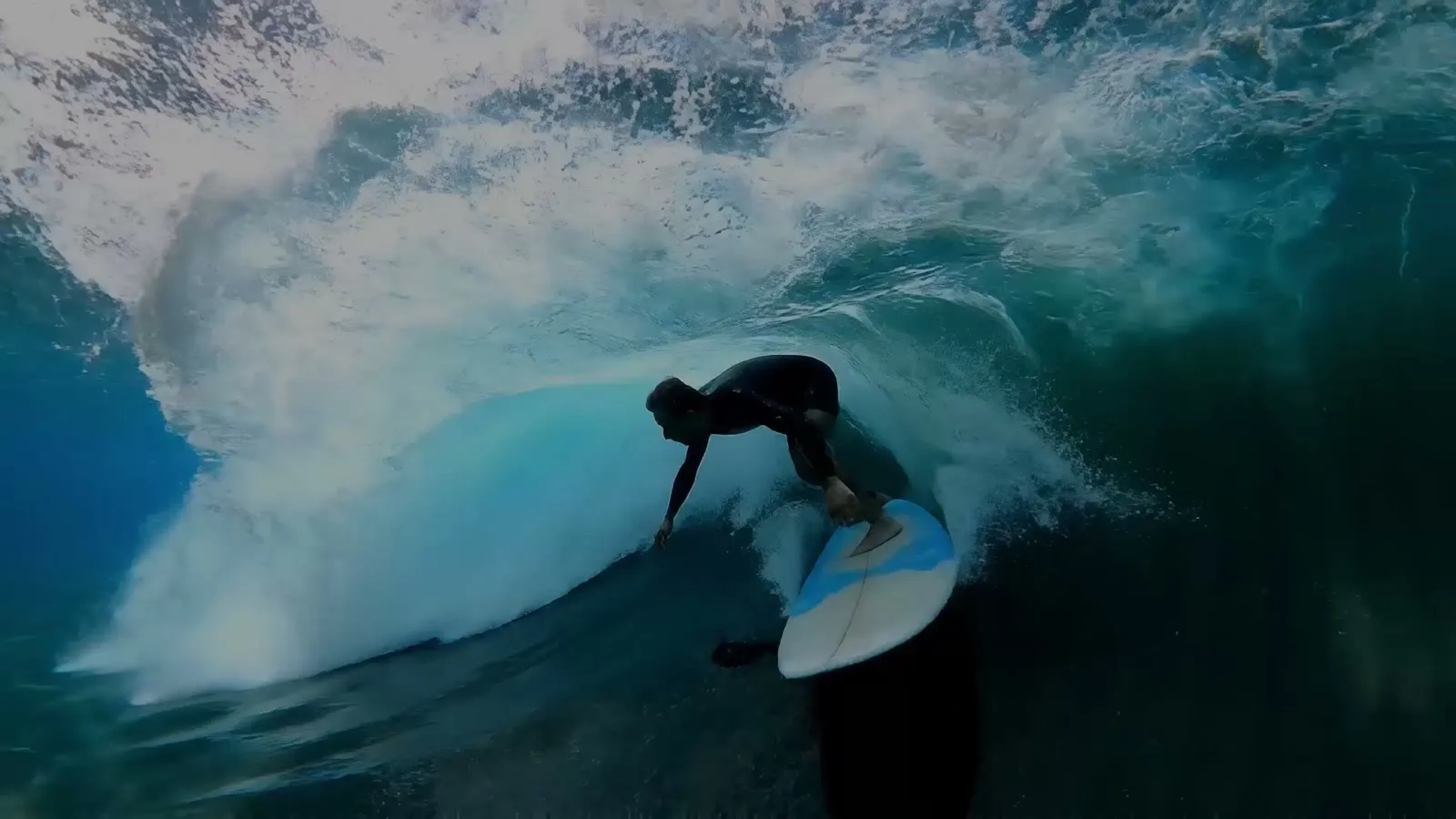
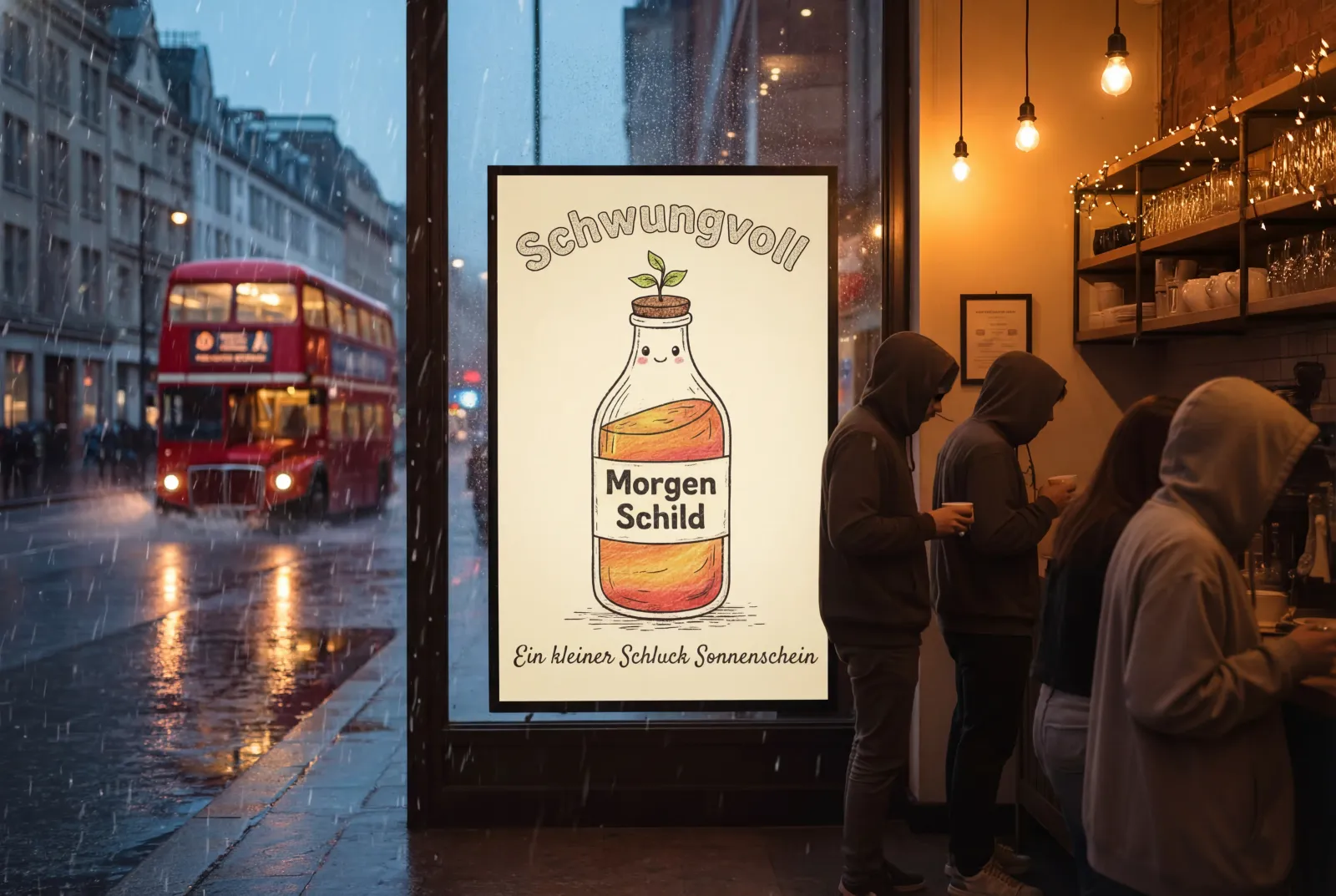
A frame from the Seedance 2.0 example video on Kie's Seedance 2.0 page.
Reference-driven video
Seedance 2.0 has three input modes, and they do not mix: first frame, first and last frame, or multimodal reference. The reference mode takes up to 9 images, 3 videos (2 to 15 seconds each, 15 seconds in total) and 3 audio clips. You describe in the prompt how each reference should appear. This makes it the stronger choice when a brand asset, a product shot and a voice line must all land in the same clip.
The Kie docs also note a useful trick. If you need a reference to act as the first or last frame, you can say so in the prompt. If the frames must match exactly, use the first-and-last-frame mode instead.
Long prompts and wide frames
The prompt can hold 20,000 characters. That is enough for a full shot list with timing, camera notes and dialogue. Seedance 2.0 also offers 21:9 and 4:3, which Kling 3.0 does not. With a start image, AgentReel sets the ratio to adaptive, so the clip follows the picture.
Where it costs more
Seedance 2.0 bills per second, and the rate climbs fast with resolution. On AgentReel, 5 seconds costs 24 credits at 480p, 52 at 720p and 128 at 1080p. A 15-second 1080p clip costs 383 credits. Draft at 480p, then render the keeper at a higher resolution.
What Kling 3.0 does best
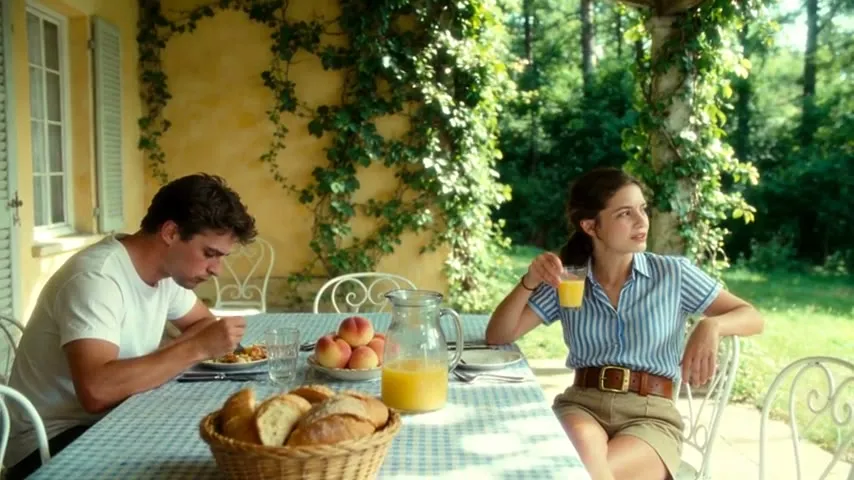
A frame from the Kling 3.0 example video on Kie's Kling 3.0 page.
Multi-shot sequences
Kling 3.0 can render several shots in one task. Set multi_shots to true and give each shot its own prompt (up to 500 characters) and duration (1 to 12 seconds). The total stays between 3 and 15 seconds. In multi-shot mode only the first frame image is used. This is the faster path to a cut sequence, such as wide shot, close-up, reaction, without stitching clips by hand.
Elements with @names
Kling 3.0 lets you define up to 3 elements and call them in the prompt with @element_name. An image element takes 2 to 4 pictures of the same subject. A video element takes one 3 to 8 second clip, and an audio element takes 5 to 30 seconds of sound. Each @element uses 37 characters of the 2,500-character prompt.
Cheap sound
Sound is optional on Kling 3.0. On AgentReel a 5-second std clip costs 18 credits silent and 25 with sound. In pro mode (1080p) the same clip costs 23 or 34 credits. That makes Kling 3.0 the cheaper way to test an idea with audio.
Price per clip on AgentReel
| Clip | Seedance 2.0 | Kling 3.0 std | Kling 3.0 pro |
|---|---|---|---|
| 5 s, with sound | 52 (720p) | 25 | 34 |
| 10 s, with sound | 103 (720p) | 50 | 68 |
| 15 s, with sound | 154 (720p) | 75 | 102 |
| 5 s, silent | not offered | 18 | 23 |
AgentReel turns sound on for Seedance 2.0 because the model generates it by default. Kling 3.0 has a sound switch, so you pay only for what you use.
Which one should you choose?
- Social clip with dialogue or sound effects, on a budget: Kling 3.0 std.
- A short sequence of shots from one prompt: Kling 3.0 with multi-shot.
- Product or brand video built from many references: Seedance 2.0.
- A 21:9 cinematic or 4:3 frame: Seedance 2.0.
- A long, detailed script prompt: Seedance 2.0.
- Image-to-video from one product photo: both work. Start on Kling 3.0 std for cost, and switch if the motion is not right.
For a video ad with a script, voice-over and captions, use the AI video ad generator. It picks the clips for you. To compare other models, read Veo 3.1 vs Seedance 2.0 and Wan 3.0 vs MiniMax H3.
FAQ
Is Seedance 2.0 better than Kling 3.0?
Neither is better for every job. Seedance 2.0 takes more references and longer prompts. Kling 3.0 is cheaper per second and can render several shots in one task.
Which model is cheaper on AgentReel?
Kling 3.0. A 5-second clip with sound costs 25 credits in std mode, against 52 credits for Seedance 2.0 at 720p.
Do both models generate sound?
Yes. Seedance 2.0 generates audio by default. Kling 3.0 generates speech, sound effects and ambience when sound is on.
What is the longest clip each model makes?
Both reach 15 seconds in the Kie API, and AgentReel offers up to 15 seconds for both.
Can I use my own image as the first frame?
Yes. Both models accept a first frame, or a first and a last frame. Upload one or two images in the AI video generator.
How we compared
We read the Kie.ai API reference for Seedance 2.0 and Kling 3.0 on October 20, 2026. Prices come from the AgentReel model catalog on the same day, which is the same table that charges your account. The images are frames from the example videos on Kie's model pages.